
Buyer answer: Peak-season stockouts are prevented before the purchase order is released. A buyer needs a SKU-level plan that connects raw-material readiness, molds and production slots, drying, quality gates, packing, vessel booking and container loading to the required arrival date. The most useful compostable tableware supplier is not simply the one promising the shortest lead time; it is the one that can show the assumptions, owners, evidence and recovery actions behind the date.
- Plan backward from the required arrival date, not forward from the PO date.
- Build one schedule for every SKU, packaging component and shipment milestone.
- Identify the slowest SKU and shared resource that control a mixed container.
- Verify backup production resources before capacity becomes tight.
- Use a rolling forecast, safety stock and a defined change-freeze date.
- Release goods only after quality, packing, documents and loading readiness pass.
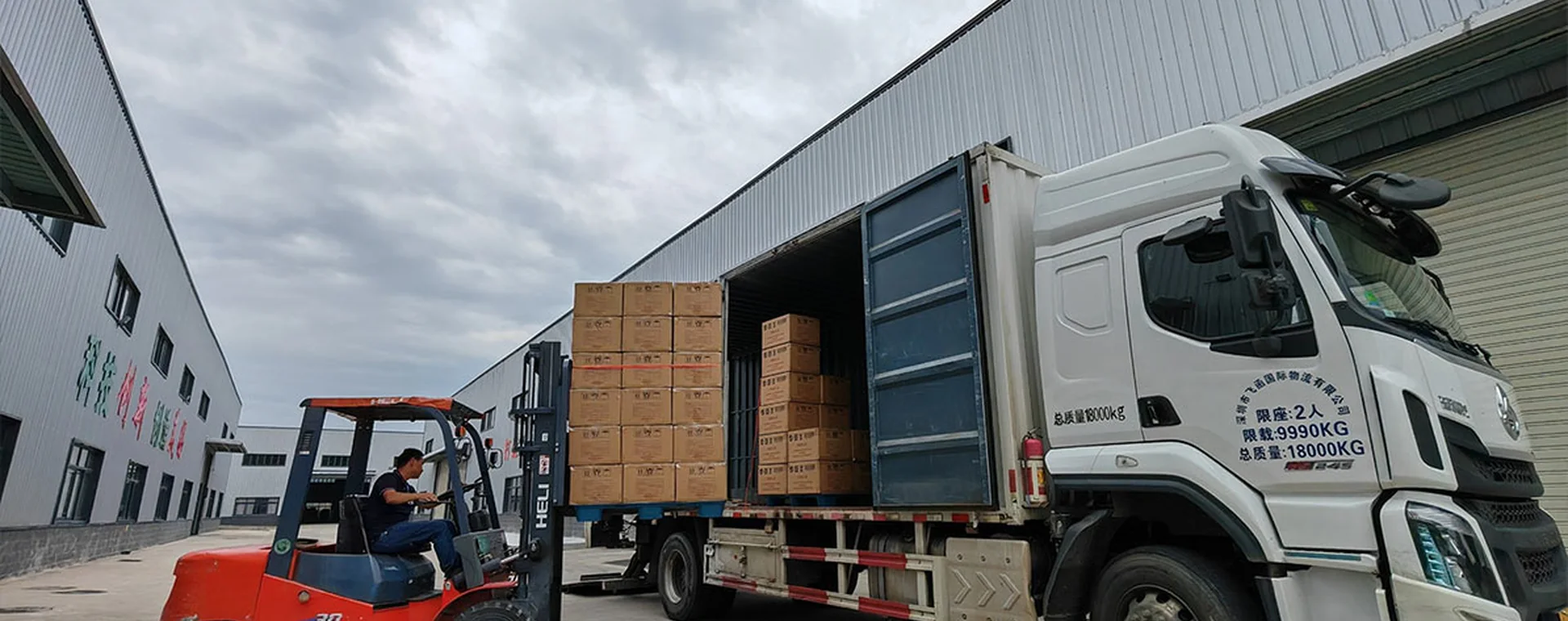
Why a promised lead time is not an executable delivery plan
A quotation may say “20 days,” but that number can hide different starting points. Does the clock begin when the deposit arrives, when artwork is approved, when raw material is available, or when the factory allocates a line? Does it end when production finishes, when the container is loaded, or when goods reach the buyer?
For bagasse tableware wholesale orders, a credible plan names both the start trigger and the finish event. It also separates production time from export logistics. Grandlink Hopes’ established commercial ranges are normally 3–7 days for standard products and 7–45 days for custom products after sample approval. The final schedule still depends on SKU mix, quantities, packing, production allocation and the transport plan.
International buyers should also define responsibility for transport, delivery, costs and risk through the agreed Incoterms rule. The ICC Incoterms 2020 guidance is the authoritative reference; the three-letter term should be accompanied by the named place in the contract.
Build a peak-season tableware lead-time map
Work backward from the target warehouse arrival date and put each handoff on one schedule. The table below is a planning framework, not a universal promise: actual durations must be confirmed for the order.
| Stage | What must be confirmed | Evidence or release gate | Common delay signal |
|---|---|---|---|
| Specification freeze | SKU, dimensions, material, weight, performance, print, carton and labels | Approved sample, drawing and revision-controlled specification | Artwork or pack count still changing after the slot is reserved |
| Material readiness | Pulp or other material, additives, coatings, cartons, bags and labels | Availability record and incoming-material plan | A minor packaging component has no confirmed arrival date |
| Production allocation | Line, mold, maintenance condition, shift and sequence | SKU-level production plan with responsible owner | Only a total capacity statement is provided |
| Forming and drying | Cycle, drying constraints, yield and changeover time | First-piece approval and in-process records | Output is reported without accepted-good quantity |
| Quality release | Dimensions, weight, appearance, fit, strength and barrier performance | Inspection result, corrective action and retained sample | Inspection is scheduled after the shipping cut-off |
| Packing readiness | Carton strength, marks, pallet or floor-loading plan and final quantities | Approved packing list and packing inspection | Cartons, labels or mixed-SKU allocation remain open |
| Booking and documents | Incoterm, named place, port, cut-off, sailing and required documents | Confirmed booking and document checklist | A tentative sailing is treated as a confirmed departure |
| Container loading | Container condition, loading sequence, carton count and seal | Loading record, photos, seal number and final packing list | One unfinished SKU holds the entire container |
Sustainable packaging still has to protect the product through storage and shipment. The UNHCR Sustainable Packaging Sourcing Guidelines provide a useful procurement principle: environmental choices must be balanced with operational performance and supply-chain conditions.
Find the critical path in mixed-SKU container loading
A mixed container is complete only when its last required SKU and last packaging component are released. Ten fast SKUs cannot compensate for one slow custom lid, printed sleeve or carton. Buyers should therefore manage the container as a linked project, not as separate product lines.
Use four questions to identify the constraint
- Which SKU has the longest material, tooling, production or drying path?
- Which SKUs share the same mold, line, coating step, packing team or inspection resource?
- Which item has the highest rejection or rework exposure?
- Which carton or label must arrive before several finished SKUs can be packed?
Then decide before production whether a late SKU will delay the full container, move to the next shipment, or be replaced by approved safety stock. This is the practical difference between “mixed loading available” and controlled mixed-SKU container loading.
Verify capacity flexibility instead of accepting a capacity claim
A headline monthly capacity does not show whether the relevant mold, line and people are available during your production window. For reliable bagasse tableware capacity planning, ask how the supplier would respond if your forecast rises, another customer takes the preferred slot, or a line stops unexpectedly.
Useful evidence includes an anonymized production calendar, the proposed line and mold allocation, maintenance status, shift assumptions, changeover sequence, accepted-good output basis and the escalation owner. If backup production resources are proposed, require confirmation that the approved specification, tooling, material route, quality criteria and compliance evidence remain valid. A backup that requires a new sample approval is not immediate backup capacity.
Reduce stockouts with forecast, buffer and change control
Production control cannot repair an unrealistic purchasing signal. Importers and distributors can reduce peak-season risk with three connected rules:
- Rolling forecast: share a 12- or 16-week view by SKU and update it on a fixed cadence. Separate firm orders from likely demand so production resources are not reserved on ambiguous numbers.
- Safety stock: set buffer by SKU criticality, demand variability, replacement time and service-level target. Do not apply one percentage to every item; a high-volume standard bowl and a custom printed tray have different recovery paths.
- Change freeze: agree the last date for changes to dimensions, material, artwork, pack count, labels and quantities. Changes after that date require a documented effect on cost, compliance and delivery.
A practical peak-season risk scenario
Consider a distributor loading plates, bowls, clamshells and custom printed trays in one container. Standard items finish first, but the tray artwork is revised after production allocation. Printed cartons arrive late, the final inspection moves beyond the vessel cut-off, and the completed standard items wait for the custom SKU.
A controlled response starts earlier. The supplier identifies the custom tray as the critical path, freezes artwork before the slot, orders cartons against the approved revision, schedules inspection before the cut-off and agrees a fallback: ship the standard SKUs as planned and move the tray only if its release gate fails. The buyer sees the trade-off before stock is at risk.
What evidence should a buyer request before the PO?
- A SKU-level specification and approved sample reference
- Material and packaging-component readiness dates
- Proposed production sequence, line, mold and changeovers
- Milestones for forming, drying, inspection, packing, booking and loading
- Accepted-good quantity reporting, not only gross output
- Inspection plan, release criteria and deviation escalation path
- Backup-resource plan and any reapproval it would trigger
- Container allocation by SKU, carton and volume
- Named logistics cut-offs and document responsibilities
- A recovery rule for late or rejected SKUs
This checklist complements our broader guide to choosing a sustainable food packaging supplier. Buyers comparing eco-friendly disposable tableware wholesale offers should score the evidence behind delivery in the same way they score price, samples and certificates.
How Grandlink Hopes coordinates a compostable tableware supply chain
Grandlink Hopes operates as an environmental packaging supply-chain coordination partner, with molded pulp as the core product platform and additional PLA, PBAT, starch-based, bamboo and wood routes available where appropriate. We translate the buyer’s requirement into a unified specification, match production resources to the product and market, monitor process and schedule milestones, coordinate finished-goods release, and manage packing and loading communication through one customer interface.
This model does not replace product-level approval or destination-market due diligence. It makes responsibilities and exceptions visible across the process. Review our sustainable packaging products, custom packaging process and quality and supply-chain controls.
Request a peak-season production and mixed-loading assessment
Send your SKU list, quantity by SKU, peak-season demand, target arrival date, packing method and destination port. Grandlink Hopes will review the production assumptions, critical path and mixed-container requirements before confirming the schedule.
Frequently asked questions
How early should I order compostable tableware for peak season?
Start with the required warehouse arrival date and plan backward through ocean or air transport, port and document time, container loading, inspection, packing and production. Reserve additional time for custom products, printed packaging, multi-SKU consolidation and destination-market approvals. Confirm the schedule for the actual SKU mix rather than relying on a generic lead-time range.
What is a realistic lead time for bagasse tableware wholesale orders?
Grandlink Hopes’ normal commercial range is 3–7 days for standard products and 7–45 days for custom products after sample approval. The confirmed order lead time depends on SKU, quantity, packaging, material readiness, production allocation, quality requirements and shipping plan.
Can different compostable tableware SKUs be loaded in one container?
Yes, subject to product, carton, volume and production planning. The schedule must be managed against the slowest required SKU and any shared mold, line, packing or inspection resource. Agree in advance what happens if one SKU misses its release gate.
How can I verify a supplier’s backup capacity?
Ask which line, mold, shift or production resource would be used; when it is available; and whether the approved specification, sample, material, testing and certification scope remain valid. Request the reapproval steps and recovery time if any element changes.
What information is needed for a peak-season supply review?
Provide the SKU list, quantities, forecast by period, target arrival date, destination port, packing and labelling requirements, required certificates or tests, preferred Incoterm and rules for partial shipment or SKU substitution. These inputs allow a supplier to build an executable plan instead of quoting an isolated production number.
Planning note: Lead times are commercial ranges, not guarantees. Final timing is confirmed against the approved specification, quantity, packaging, production and logistics conditions for each order.
Planning your next container?
Send your item specification, destination market and volumes. We screen suppliers against your spec, coordinate the documentation pack for your market, and come back to you with what we can support.