
Short answer: When demand for a new tableware range is uncertain, buyers can separate what must be customized at launch from what can use an existing mold. A staged plan can combine suitable existing formats, new tooling introduced in phases, and purchases linked to sales feedback. The aim is to limit early cash commitments and inventory exposure without compromising the product requirements that customers need.
For Grandlink Hopes, this starts with an in-depth conversation about the buyer’s business plan—not simply a request for dimensions and a unit-price quotation. Product design, branding, production and replenishment decisions need to work together.
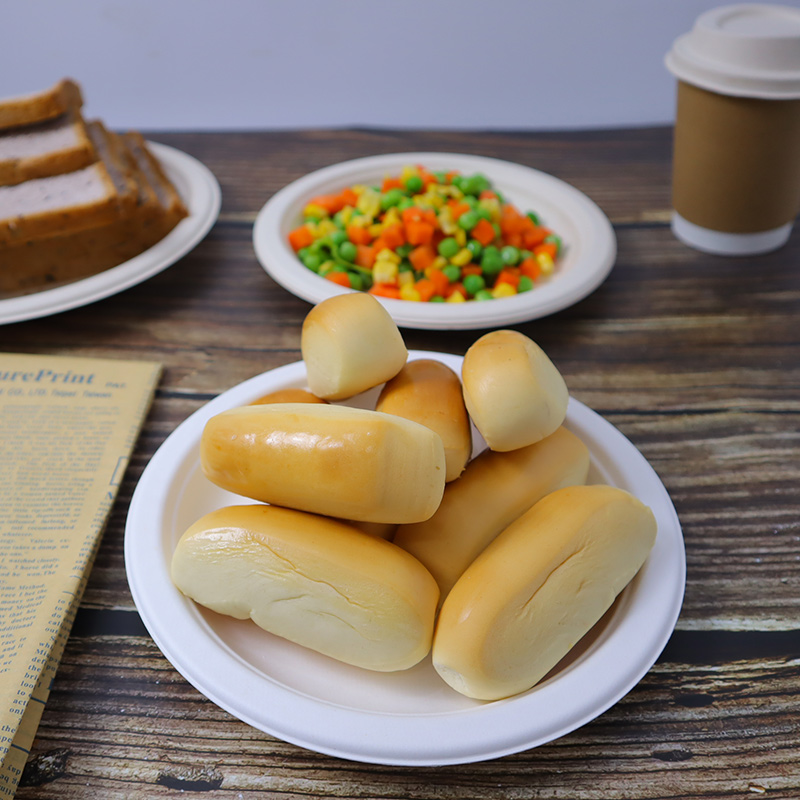
A US customer project: a coordinated tableware set, with demand still unproven
Grandlink Hopes is currently supporting a US customer developing a coordinated range that includes plates, food containers, cups, soup bowls and soup spoons, with matching lids for the relevant pieces and the customer’s logo.
The commercial challenge is clear: the customer wants to bring the range to market, but its market acceptance is not yet certain. Committing to dedicated production tooling and large quantities across every item before receiving sales feedback could create unnecessary exposure.
After detailed discussions and strong customer alignment on the sample-tooling proposal, the customer confirmed a supply approach combining existing molds, phased development of new molds and purchases in batches according to sales. The project has now entered sampling.
Documented planning result: Compared with the original proposal, the revised plan reduces the tooling cost to be borne by the customer by approximately 29%. This comparison concerns the planned tooling charge only—not the total procurement cost or savings already realized through production. Absolute amounts are not disclosed.
Project status: This is an in-progress project at the sampling stage. Final sample performance, production quantities, branding execution and sales results are not reported here. The customer is not named, and no confidential drawings or specifications are disclosed.
Understand the launch plan before choosing the product design
A coordinated set is more than a collection of individual items. Buyers need to consider how the pieces look together, how each lid fits, how the products are packed and how the range will be sold. A low unit price for one item can lose its value if another component delays the set or leaves excess stock.
For buyers facing uncertain demand, we recommend discussing these questions before committing to tooling:
- Will customers buy a complete set, individual items, or both?
- Which dimensions, functions and visual features are essential to the launch?
- Which items can accept an existing shape without weakening the customer experience?
- Where must the logo appear, and what branding alternatives are acceptable?
- What early investment can the business support before sales are proven?
- What sales feedback will justify the next tooling stage or replenishment order?
These are recommended planning questions, not undisclosed specifications from the US project. Their purpose is to distinguish essential design requirements from features that can be introduced later.
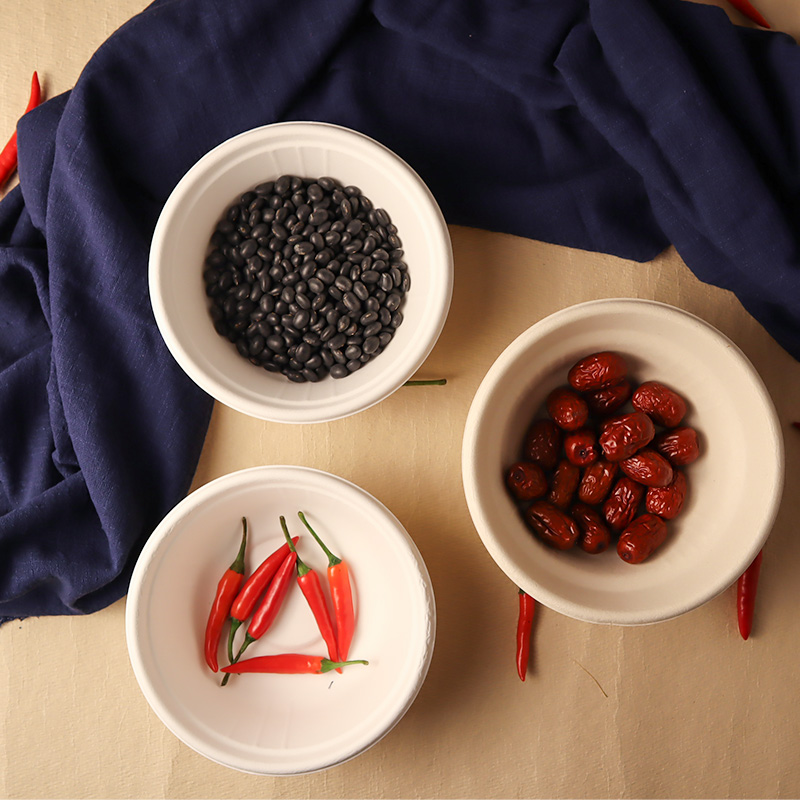
Compare three product and production routes
| Route | When it may fit | Main benefit | Trade-off to check |
|---|---|---|---|
| Suitable existing molds | Available shapes meet the functional and visual brief | May avoid new structural tooling for selected items | Available sizes, lid fit, branding limits, production availability and order minimums |
| Existing molds plus phased new molds | Some parts of the range require differentiation, but demand is still being tested | Distributes tooling decisions across defined launch stages | Coordination between standard and custom parts, repeat approvals and stage-specific costs |
| Dedicated tooling for the full range | The full design is essential and demand supports the investment | Greater control over a coordinated proprietary range | Higher initial commitment, development work and exposure if demand changes |
No route is automatically the cheapest. Grandlink Hopes evaluates the combination against the buyer’s requirements and launch plan. The approach confirmed for the current US project is the staged route; the final allocation of specific items to existing or new tooling is not disclosed.
Customer-logo tableware does not always mean a completely new product mold
Structure and branding should be reviewed separately. Depending on the material, geometry, food-contact surface and intended use, possible routes may include molded-in branding, an approved printing method, or branding on suitable outer packaging. These are options for technical review, not a statement that every method works on every product.
A buyer should not assume that adding a logo is free, needs no tooling, or leaves the minimum order unchanged. Artwork, tooling changes, printing setup, inspection and branded packaging can each introduce costs or quantity constraints. In this project, the customer requires a logo; the final execution method remains part of the development process.
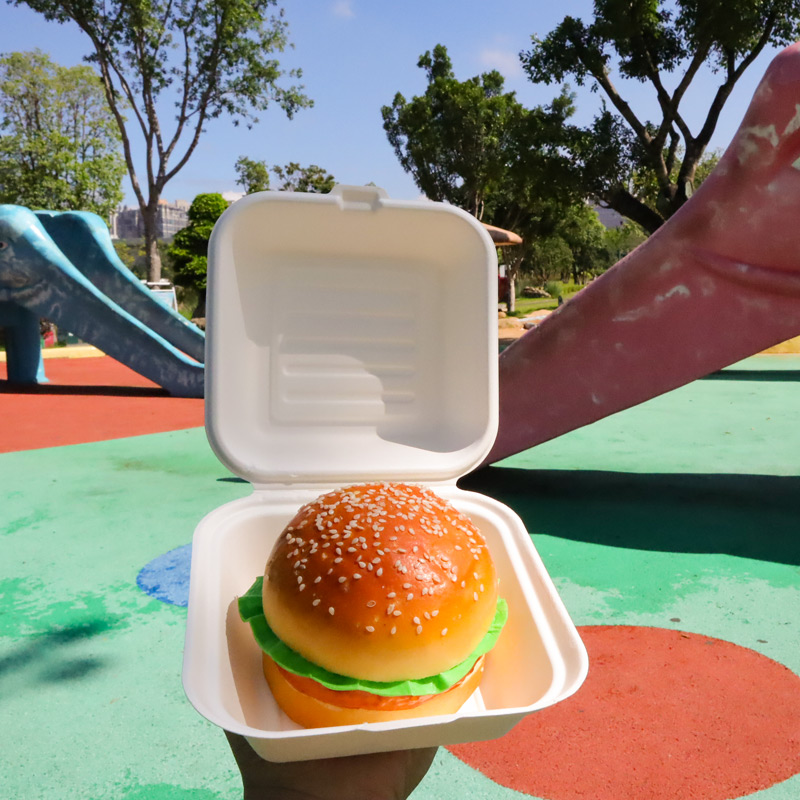
Sampling is a decision gate—not proof that mass production is ready
The current project is now at sampling. This is the opportunity to evaluate the proposed range before deciding what to release for production or develop further.
For a comparable lidded tableware program, the approval plan should cover:
- Dimensions, usable capacity, handling and consistency across the set
- Lid fit and closure performance under the intended use conditions
- Food, temperature, contact time, moisture and grease requirements
- Logo clarity and its effect on the chosen material or process
- Nesting, packing count, carton size and transport protection
- Required product-specific food-contact and environmental-claim evidence
A sample tool may validate aspects of form and fit without representing final output rate, finish or production economics. Record those limitations. Approval should identify the sample revision, the tests completed and the checks still required on production-representative goods.
Link batch purchasing to sales without promising unrealistic minimums
Purchasing according to sales means setting review points, not assuming that any custom product can be ordered in any small quantity. Each SKU still has commercial and production constraints, including tooling, material procurement, line setup and branded packaging minimums.
For the US project, batch purchasing according to sales is an agreed planning principle. Specific batch sizes, minimum commitments, stockholding responsibilities and release dates are not disclosed or promised in this article.
For similar launches, buyers should define who owns unused packaging or reserved stock, what forecast is non-binding, what order is firm, and how much lead time is required for replenishment. If the set contains several SKUs, monitor sales and remaining stock by component—not only by total set sales.
Manage total cost, not only price per piece
A practical comparison includes development and tooling, purchased goods, branding and packing, inspections and testing, transport, storage, financing, rework and unsold stock. Compare these costs over the same planning period and use the same demand assumptions.
The staged route aims to reduce early exposure by deferring investments that do not yet have a clear demand case. It may, however, result in higher unit prices, more production setups or higher freight cost per piece for smaller shipments. Those trade-offs must be included before claiming a lower total cost.
The right question is not simply “Which quote is lowest?” It is “Which plan delivers the required product while keeping the next investment decision proportionate to what we know about demand?” The approximately 29% reduction in planned tooling charges in this project is one measurable planning improvement; total-cost savings will require evidence from subsequent purchasing and operations.
Full-process follow-up connects design decisions to delivery
Grandlink Hopes’ role is to coordinate the packaging supply chain around an agreed requirement. For a staged program, the control plan should follow the brief, drawings and sample revisions through tooling decisions, material readiness, production allocation, inspection, packing and shipment release.
- Before sampling: document the requirement and distinguish fixed requirements from acceptable alternatives.
- During sampling: consolidate feedback into a controlled revision and record unresolved issues.
- Before production: confirm the approved specification, quantity, tooling scope, costs, evidence and schedule.
- During production: follow material readiness, first-piece and in-process checks, and deviations that affect cost or timing.
- Before shipment: verify finished goods, packing quantities, labels, documents and loading readiness.
- Before the next purchase: review actual demand and feedback before committing to another batch or mold.
For the current US project, these later steps describe the follow-up approach, not completed production milestones. Read more about our quality and supply-chain coordination.
Build a staged launch plan with Grandlink Hopes
Our core platform is molded pulp packaging, with additional material routes available according to the application. A coordinated range should be evaluated item by item; its appearance alone does not establish material, food-contact suitability or compostability.
Explore our tableware and packaging range and custom development process. For commercial planning details, see MOQ, tooling, samples and lead times. Once demand becomes more predictable, use our peak-season supply planning guide to plan replenishment.
Planning a launch with uncertain demand? Send your product list, lid and logo requirements, target market, intended food use, launch date, estimated demand range and preferred investment stages. Ask Grandlink Hopes to compare existing-mold and phased-custom options.
Frequently asked questions
Can a custom tableware set combine existing and new molds?
Yes, where the available formats meet the requirements and the components work together. Dimensions, lid fit, appearance, branding and production constraints must be reviewed before approval.
Does phased tooling guarantee a lower total cost?
No. It can limit early investment and exposure to unsold stock, but smaller batches and additional development stages may increase unit, setup or freight costs. Compare the complete plan under consistent demand assumptions.
Can customers add their logo without a completely new mold?
Potentially, depending on the product, material and branding method. The supplier must assess tooling or printing setup, suitable logo placement, packaging options, order minimums and required evidence.
Does batch purchasing remove the custom-product MOQ?
No. Batch purchasing must be agreed within SKU-level production and commercial constraints. Minimum commitments, ownership of reserved stock and release schedules should be stated in writing.
What stage has the US customer project reached?
The customer has confirmed an approach using existing molds, phased new molds and purchases according to sales. The revised proposal reduces planned customer-borne tooling charges by approximately 29%. The project has entered sampling; production outcomes, sales performance and realized total-cost savings are not yet reported.
Planning your next container?
Send your item specification, destination market and volumes. We screen suppliers against your spec, coordinate the documentation pack for your market, and come back to you with what we can support.